
Personalized Dry Eye Treatment for Lasting Comfort
Dry eye disease is a multifactorial condition that affects the surface of the eye. It can lead to discomfort, irritation, and sometimes changes in vision, especially during screen use, driving, or spending time in Alberta’s dry air.

Advanced Dry Eye Care in Stony Plain
Dry eye symptoms can persist even after trying over-the-counter drops. At I-Care Family Vision & Eye Care, we offer advanced in-clinic treatment options alongside careful monitoring and follow-up. With specialized technology and a steady, evidence-based approach, we focus on improving comfort while protecting long-term ocular health.
What Is Dry Eye?
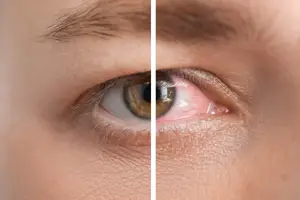
Dry eye occurs when the tear film does not provide adequate lubrication or evaporates too quickly. This may result from environmental factors, screen use, aging, or changes in the oil glands along the eyelids.
Symptoms can vary, but commonly include:
-
Burning or stinging sensation
-
Gritty or sandy feeling
-
Blurred or fluctuating vision
-
Redness
-
Sensitivity to light
-
Discomfort during contact lens wear
Not all irritation is caused by dry eye. A thorough eye evaluation helps determine the source of symptoms.
Who Is Most at Risk for Dry Eye?
Dry eye can affect anyone, but certain individuals may be more likely to experience symptoms, including:
-
Post-menopausal women
-
Individuals with autoimmune conditions
-
Contact lens wearers
-
Patients with prolonged screen exposure
-
Those living in dry, windy climates like Alberta
Environmental factors in Alberta, including low humidity and winter heating, can contribute to tear film instability and increased evaporation.


Is Dry Eye a Chronic Condition?
In many cases, dry eye is a long-term condition. Symptoms may fluctuate, with periods of improvement and flare-ups.
While treatment can significantly improve comfort and tear stability, ongoing management and monitoring are often necessary. Our goal is to help maintain consistency over time rather than provide temporary relief alone.
Understanding Mild, Moderate, and Advanced Dry Eye
Dry eye does not present the same way in every patient.
-
Mild cases may respond well to lifestyle adjustments and targeted eye drops.
-
Moderate cases may require in-office therapy to improve gland function.
-
More advanced cases often benefit from structured treatment plans that address underlying inflammation or gland dysfunction.
Treatment recommendations scale according to clinical findings.


What to Expect If Treatment Is Recommended
If treatment is recommended, we’ll explain exactly how it works and why it makes sense for your eyes. Most in-clinic visits take under an hour. Depending on your findings, care may involve a short series of sessions spaced out over time.
There’s typically little to no downtime, so you can return to your normal routine the same day.
Dr. Kattan takes a careful, step-by-step approach to dry eye care. Recommendations are based on what we see during your exam.
When Should You Seek Care?
You may benefit from a dry eye evaluation if:
-
Over-the-counter drops no longer provide relief
-
Vision fluctuates throughout the day
-
Contact lenses become increasingly uncomfortable
-
Irritation or burning is present daily
-
Screen use causes persistent strain
A comprehensive evaluation allows us to determine the cause and guide appropriate next steps.


In-Clinic Treatment Options
For patients who require more than artificial tears, we offer advanced in-clinic options designed to help treat dry eye more effectively.
Intense Pulsed Light (IPL)
We provide Lumecca IPL therapy, which targets inflammation and supports healthier gland function. This treatment may help improve tear film stability and reduce symptoms over time.
Radiofrequency (RF) Therapy
InMode Forma radiofrequency therapy applies controlled heat to the eyelids, which may support oil gland performance and improve comfort.
Meibomian Gland Expression
When oil glands become blocked, expression may help restore function and improve tear quality.
Treatment plans vary depending on severity and individual response.
Schedule Your Dry Eye Assessment at I-Care Family Vision & Eye Care
Contact I-Care Family Vision & Eye Care to book a comprehensive dry eye evaluation in Stony Plain. We will review your symptoms and discuss appropriate treatment options.
If you are looking for an experienced clinic to treat dry eye in Stony Plain, our team is here to help.